

As of 2026, there are estimated to be around one million individuals in the UK diagnosed with dementia. A number projected to surge to 1.4 million by 2040 and to exceed 2 million by 2050. These figures, however, do not account for those who are undiagnosed, in the process of diagnosis, or awaiting confirmation. Dementia’s impact is far-reaching and indiscriminate, impacting not only those diagnosed but also their loved ones.
The Maths Behind the Ripple
Let’s consider a conservative estimate that includes those undergoing diagnosis. We can say 1 million people are currently living with dementia in the UK.
From this number, we can calculate the ripple effect of a dementia diagnosis. If we estimate that 70% of people diagnosed have a spouse, one sibling and two children — that’s 2.8 million people indirectly impacted. We know that a dementia diagnosis is most common in people over 65, so it’s not implausible to think they could have grandchildren. If we allow for a single grandchild, we’re now at 3.5 million people indirectly impacted by dementia.
The UK’s adult population is 54.4 million. Based on our conservative estimates, nearly 6.5% of adults in the UK have a loved one living with dementia. That’s almost the population of London — and we’re not including nephews, nieces, cousins, in-laws and friends.
When people ask how many families are affected by dementia in the UK, the answer isn’t one million. It’s millions.
Why This Matters for Awareness and Support
Dementia is so widespread in the country, but we believe it does not get the focus and airtime it deserves. The dementia statistics for families in the UK tell a story that the national conversation still hasn’t caught up with. Dementia Life wants to change that.
We believe that by bringing conversations about dementia to the forefront of people’s minds, we can raise awareness in the general public. We can change the opinion that dementia only happens to those in residential care settings.
Dementia is in millions of homes across the UK.
Dementia isn’t just for the elderly. Dementia isn’t just forgetting things. Dementia isn’t just in care homes.
It’s something that affects the whole family, whether or not you’re the primary carer. This is why we need to increase awareness and understanding of dementia — and why Dementia Life exists.
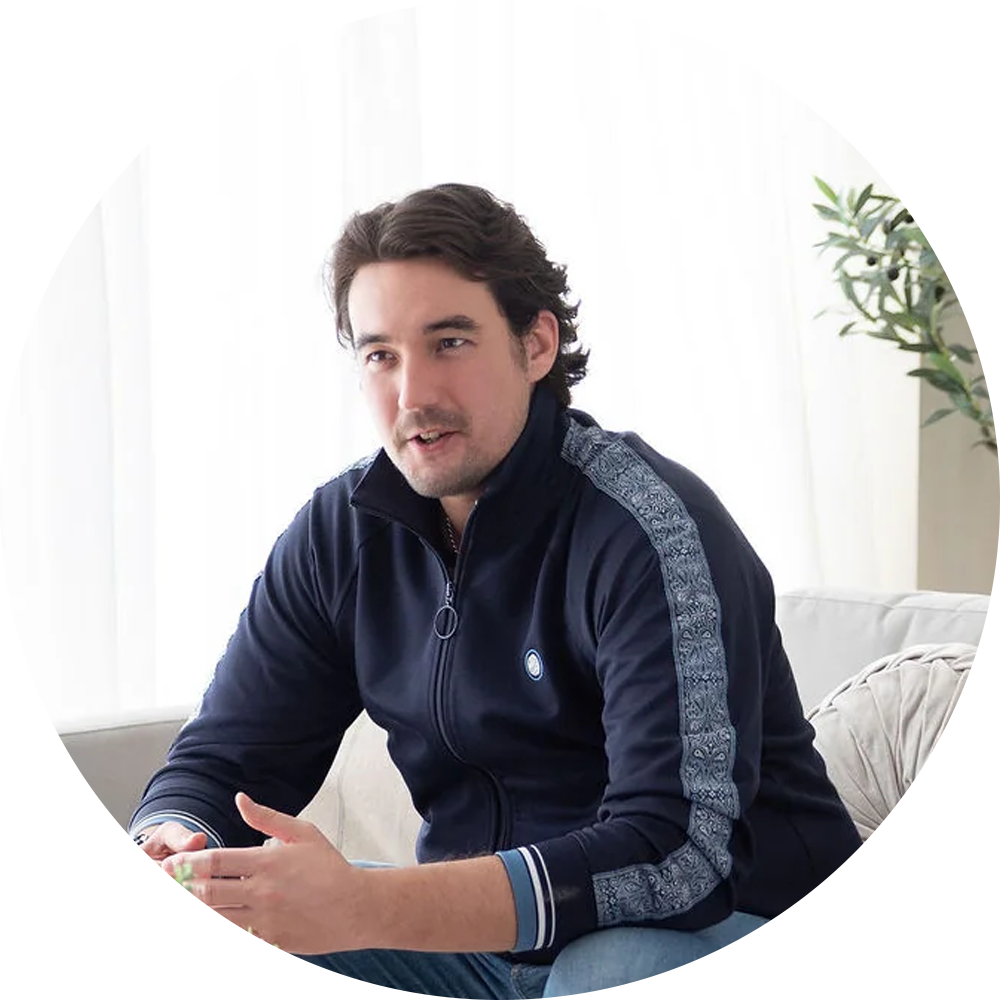
Founder of Dementia Life