

Feeling Unseen
There’s a particular kind of loneliness that comes with caring for someone with dementia. It’s not the loneliness of being physically alone. You might still be surrounded by people. It’s the loneliness of feeling invisible as a dementia carer — like nobody really sees what you’re carrying. Not your loved one, who can’t. Not your friends and family, who often don’t know how. And certainly not the wider world, which barely seems to register that this is happening at all.
That feeling of being unseen operates on a few different levels, and I want to talk about all of them — because I think naming them is the first step to doing something about them.
When Your Loved One No Longer Sees You
Let’s start with the one that hurts most.
When your loved one stops recognising you, it is one of the most disorienting experiences a human being can go through. It might happen gradually. They forget your name, then they can’t quite place your face, then one day they look at you and reach for someone else. The person who knew you better than anyone no longer knows you at all.
I can honestly say I live in complete fear of this day. I am waiting for the day I come through the back door and my mum doesn’t recognise me. I don’t know when it will happen, but it’s something that genuinely keeps me up at night. Talking to others in our groups has helped, but I can’t say by how much because it hasn’t happened yet…and I’m terrified of the day it does.
What makes it harder is that in the same moment your loved one doesn’t see you, they also can’t see everything you’re doing for them. The appointments, the medication, the worry that runs underneath every day. They can’t acknowledge the sacrifice because they don’t know it’s happening. And that gap — between what you’re giving and what’s being received — is a quietly painful place to live.
When Friends and Family Don’t Know What to Say
Then there’s the wider circle. The friends who don’t quite understand why you’ve gone quiet. The family members who ask “How’s your mum?” but forget to ask how you are. The dementia carer loneliness that comes from people who say “I don’t know how you do it” as if that’s a complete sentence.
Most of us hold back from opening up, not because we don’t want support, but because we don’t want to bring the mood down. We’ve learned to manage other people’s discomfort around dementia on top of managing our own lives. The feeling that no one understands dementia caring is its own kind of invisible labour.
The Systemic Invisibility — And Why It Makes Me Angry
And then there’s the systemic invisibility. This one properly makes me angry. Dementia affects one in three people over the course of a lifetime. It is the most common cause of death in England and Wales. It costs the UK economy more than cancer and heart disease combined. And yet, across three of the UK’s biggest online news outlets, it generates fewer than ten news stories a month.
You are over three times more likely to develop dementia than diabetes, and yet diabetes receives nearly three times more dementia awareness in the UK media coverage. That disparity matters. Because when dementia isn’t visible in the national conversation, it means unpaid dementia carers in the UK aren’t visible either. It means the funding isn’t there. The post-diagnosis support isn’t there. The public understanding isn’t there.
This is part of why Dementia Life exists. Because we believe the people behind the diagnosis deserve to be seen. The families, the friends, the partners, the adult children who rearranged their lives — they deserve to be seen.
You are not invisible to us. And we’re going to keep making some noise until the rest of the world catches up.
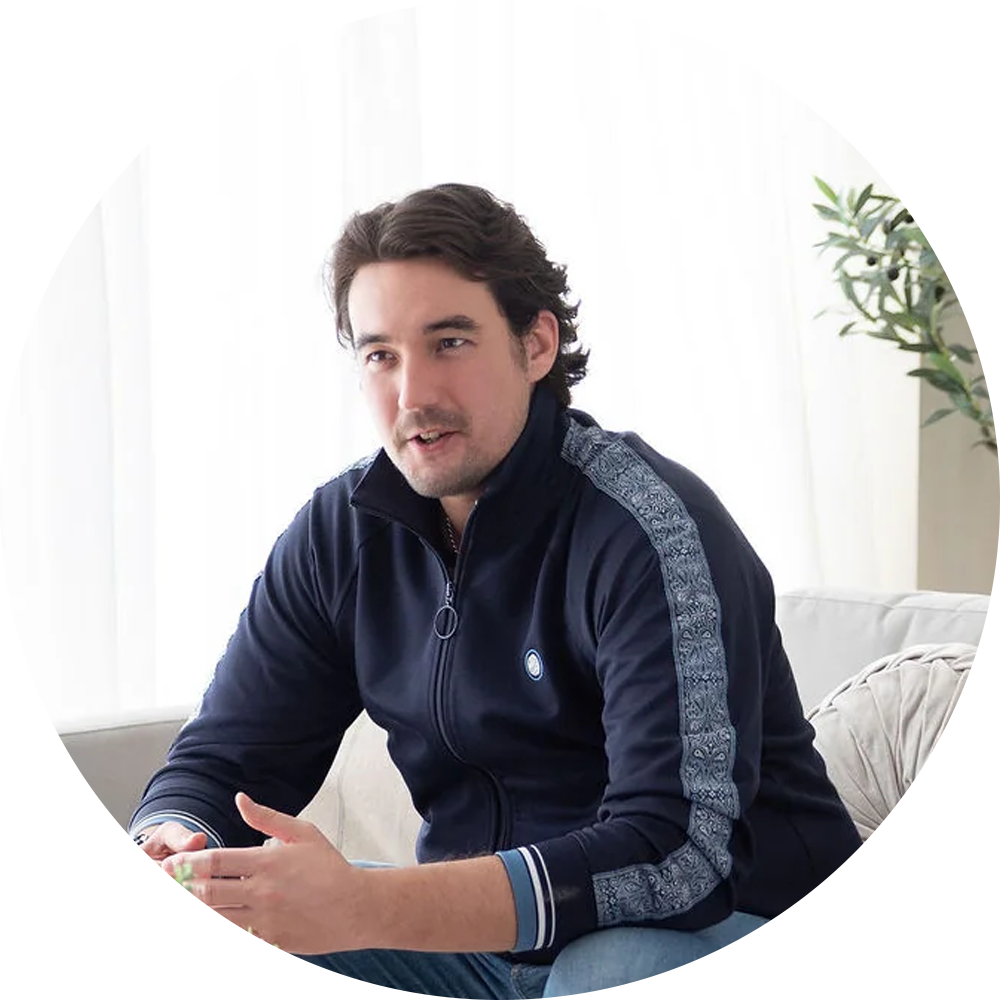
Founder of Dementia Life