
The Dementia Dark Ages
I know my mum is hyper aware of what’s happening to her. She’s in a really awkward stage in a dementia diagnosis, that I’m sure most families will go through, where my mum knows her diagnosis, knows her symptoms but can’t do anything to stop it.
She knows it every time she says “thingamajig” or “oh, you know” when she’s searching for the right word. She knows it every time she goes to make a cup of coffee and forgets to boil the kettle. Or in fact every time she watches my dad cook dinner because that’s the job she used to have.
When Your Mum Already Knows What Dementia Looks Like
My mum worked in care for over 25 years. She worked in care homes, looking after people with advanced stages of dementia. So the young onset Alzheimer’s experience for my mum got incredibly scary, incredibly quickly. She immediately catastrophised the situation — her mind went straight to the end game. She cannot help but think of herself as one of the people she used to care for. My mum is 63 in a few weeks. She isn’t those people.
The more I think about it, the more I envy people who were shielded from the reality of residential care homes. They know what most of the public seems to know about dementia — that dementia is for the elderly and it makes them forget things sometimes.
What they don’t seem to know is that without prompting they would forget to drink or eat. Not that the husband they’ve shared their lives with could eventually become a complete stranger. Or that the food they used to love now tastes bitter and they’ve lost the ability to communicate that fact. That the blank television on the wall looks like a gaping great void and is scaring them. The line between carpet and laminate flooring is a barrier that needs crossing. Sudden bursts of anger and severe personality changes.
I want to make this very clear: dementia is not a natural part of ageing.
Why Dementia Awareness in the UK Still Falls So Short
This lack of dementia awareness in the UK is symptomatic of the problems we are facing in the dementia community today. This is a disease that around 1 in 3 people over 65 will develop in their lifetime. It kills more people in the UK than any other condition, and societally we just seem to brush it under the carpet.
Now my mum worked in the dementia care sector and she didn’t know anything about what’s known as the “long middle.” I think it’s better known as the Dementia Dark Ages — the period between diagnosis and care home, when the majority of people living with dementia will continue to live at home, with loved ones as they did before, or even alone. Slowly losing abilities they have long held.
If you want to know what dementia is really like, this is it. It’s not the dramatic scenes you see on television. It’s the quiet erosion of someone’s capabilities in their own kitchen. It’s watching your mum put the washing machine on with two tea-towels in it and then literally watching them dry in the tumble dryer. It’s the reality of early stage dementia living at home that nobody prepares families for.
What Needs to Change
If we had greater national awareness of what dementia truly is and how it can progress — that it isn’t only in the elderly, it isn’t just in care homes and they aren’t just a bit forgetful — we might just stand a chance of changing public views. The next generation getting a diagnosis wouldn’t be quite as terrified or lost as my mum is.
It would also mean we raise a generation of carers and loved ones with a better understanding, who can look after their loved ones without the fear and confusion that we are currently facing.
We need national awareness. Dementia Life is pushing to bring dementia to the forefront of UK conversations. Because no one should have to face this the way my mum is facing it now.
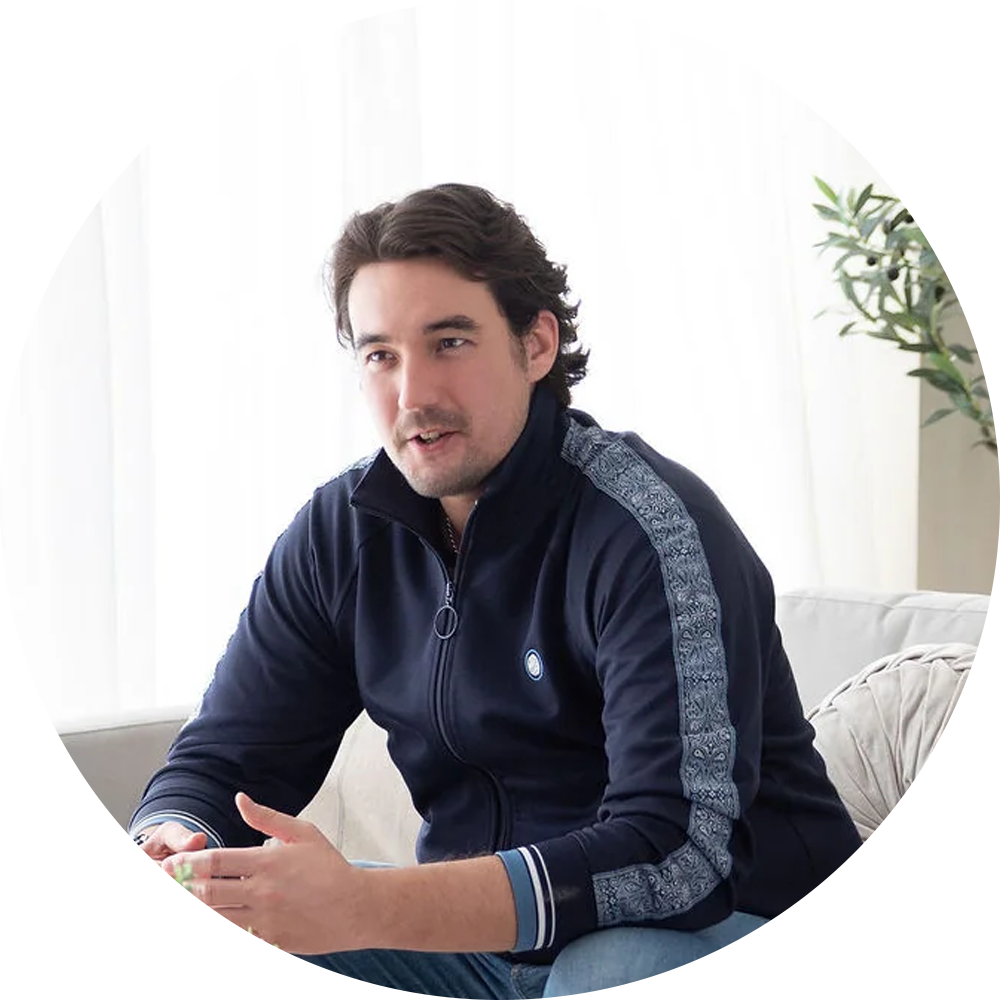
Founder of Dementia Life