

Dementia Life Expectancy
When my mum was diagnosed with young-onset Alzheimer’s the first thing I did was dive headfirst into some deep rabbit holes of late-night googling. Initially I searched for the average life expectancy of someone after they’re diagnosed with dementia. Seven years. I was absolutely terrified, my mum had just been diagnosed and I was going to lose her before my 35th birthday. Potentially she’d never see any children I may have or even my wedding. She’d never see my 40th birthday or the life I build for my family. But then I did some more digging, the average age of diagnosis is 80, that makes the life expectancy of someone diagnosed at 80, 87 years old. And that’s close to the national average.
This is where the late-night searching can really go wrong, without that extra layer of search I’d have been waiting in anticipation of something that might not have been coming as soon as I’d thought. I think anyone who has a parent recently diagnosed with dementia will still worry about whether they’ll remember certain events or milestones in your life but that worry is completely different to questioning whether they’ll be there at all. In my opinion, this is where the national conversation around dementia is lacking – everything we talk about, think about or see about dementia is someone in their 80s, someone elderly, who in their final few years gets forgetful…maybe more so than they should, but just forgetful…that is the conversation around dementia.
The People Behind the Statistics
The national narrative about dementia is lazy, it plays into stereotypes and preconceptions without considering the actual people who are impacted by dementia. We don’t talk about the people in their 60s, or even in their 50s who are diagnosed. Globally, there are expected to be close to four-million people between the ages of 30 and 64 diagnosed. In the UK there are over 70,000 people under the age of 65 diagnosed with a type of dementia, again, as I always stress – this doesn’t include the people going through diagnosis or earlier in their journey. Current estimates suggest that only 41% of people under the age of 65, who have dementia, have a formal diagnosis. That would put the UK total to closer to 170,000 – that’s a city’s worth of people who have young-onset dementia in the UK.
These are the people we don’t talk about enough. We don’t talk about people who are genuinely of working age, who should be enjoying their life, going out for dinner or playing in the garden with their grandchildren. These are the people, that for them and their families, a dementia diagnosis is devastating, because it takes so much of their future away. Looking at statistics and numbers can be shocking, but nothing is as shocking as when dementia comes into your family. Especially to someone who by all traditional accounts “isn’t old enough to have dementia”. My mum worked hard, she was a carer for people with dementia. She, and my dad, would have been looking forward to retirement. They’d earned it. They worked, they raised children, they had their house, they had dreams – and then my mum was diagnosed with dementia.
The Cottage on the Coast
But honestly, the diagnosis wasn’t the worst moment. The most upsetting moment was with my dad. It was just the two of us, I can’t remember how long after the diagnosis it was, but it must’ve been a good few months. We were in the car on our way to play golf, I was driving and we were discussing how mum is and what we still needed to do. Then, without turning his head to me, still looking straight at the road ahead, he said to me
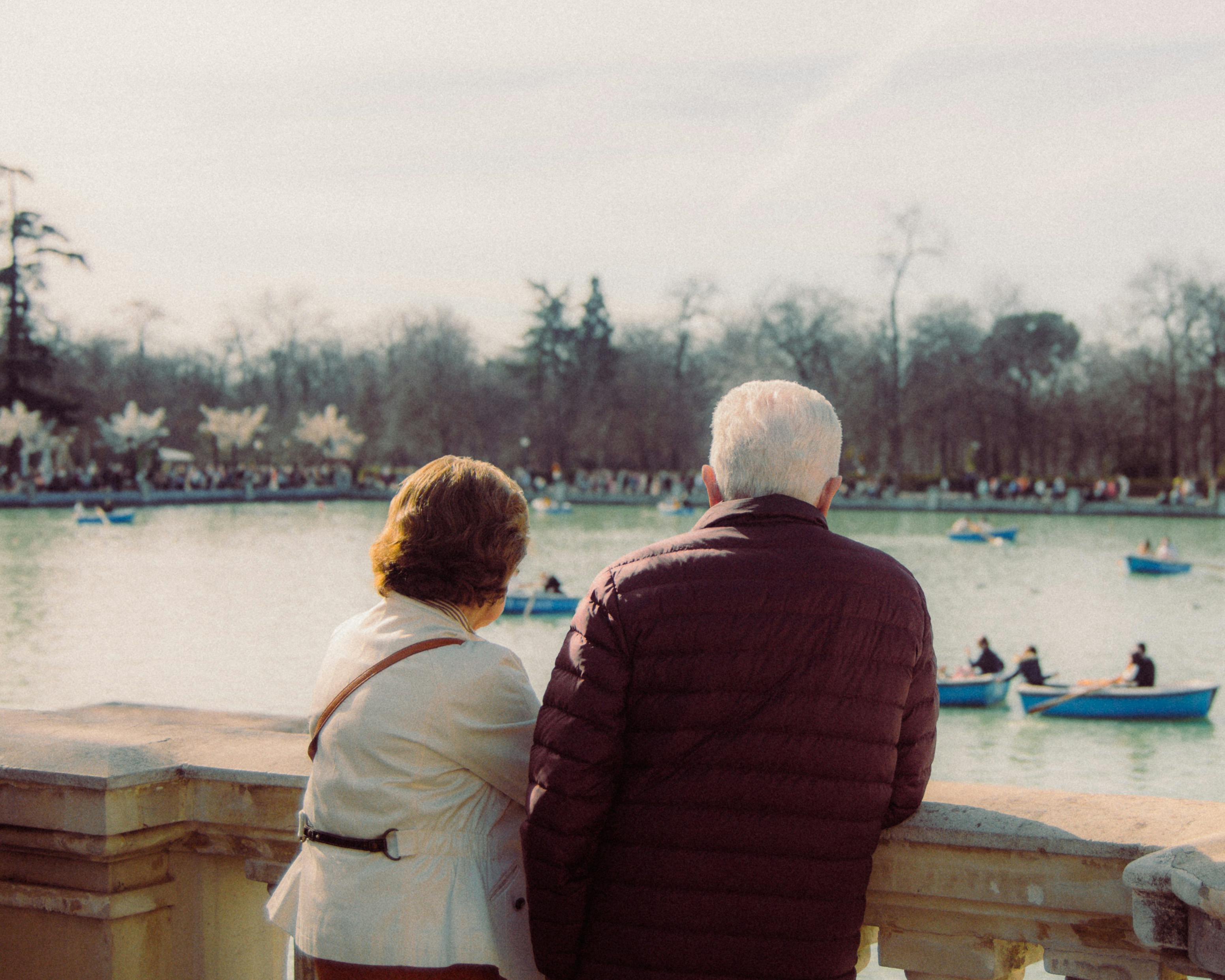
“We were supposed to retire together you know? Buy a cottage on the coast…guess that isn’t happening now”
I was heartbroken. There’s something about being sat in a car with your dad and hearing him say something like that that hits even harder. I felt awful, I’d been so preoccupied with mum’s diagnosis that I hadn’t even thought that they would have had retirement plans, dreams for the future and with ideas of what to do together in their golden years.
This is the myth of the life expectancy, it works on averages – but no person is average. It plays into the narrative that people who get dementia have lived their life, they’re in their final years and this is something that happens as we get older. I’ve written before that we need to stress that dementia isn’t a natural part of ageing. I’ve also written about the Dementia Dark Ages, these can be long in so many cases – for those diagnosed in their 60s or earlier, their life plans are uprooted by that piece of paper explaining their diagnosis. Seven years may well be correct, I’m not doubting the statistics, all I want to do is make sure that we remember the people behind the statistics. We need to remember that there are people with dementia that had jobs, had purpose and had dreams. There are people with dementia that have families, friends and loved ones – and in many cases the dynamics between the people and the dreams completely change. Dementia life expectancy may well be seven years, but honestly, it’s not an important statistic. We need to focus on the dreams and plans, how we make the most of the moments we still have. I’ve written before about making moments of joy while memory fades, and that is exactly what we need to do. I don’t regret looking at those stats, I think it definitely sharpened my mind to what my own future might look like – or to be more accurate threw in the air what I’d thought of for my own future. I’m writing this at my desk in my parents’ dining room while my mum is sat in the garden, having an office here wasn’t in my plans. But for my dad, his entire retirement has been turned around, what was a lovely clear picture of what they both wanted has muddied and I don’t think any of us know what will clear it.
A dementia diagnosis in the family has a habit of taking plans and dreams, ripping them from your grasp and throwing them into the ever-growing discard pile. I don’t know what my dad plans to do in the future now. I suppose it’s difficult to commit to a dream or a plan when someone you love has dementia. It’s difficult to still dream of living in that cottage on the coast when the person you want to share it with might not be there. Can anyone commit to fulfilling a joint dream alone? I honestly don’t know. All I know is, that time in the car is the one and only time I’ve heard about the cottage on the coast. It hasn’t been mentioned since.
Founder of Dementia Life